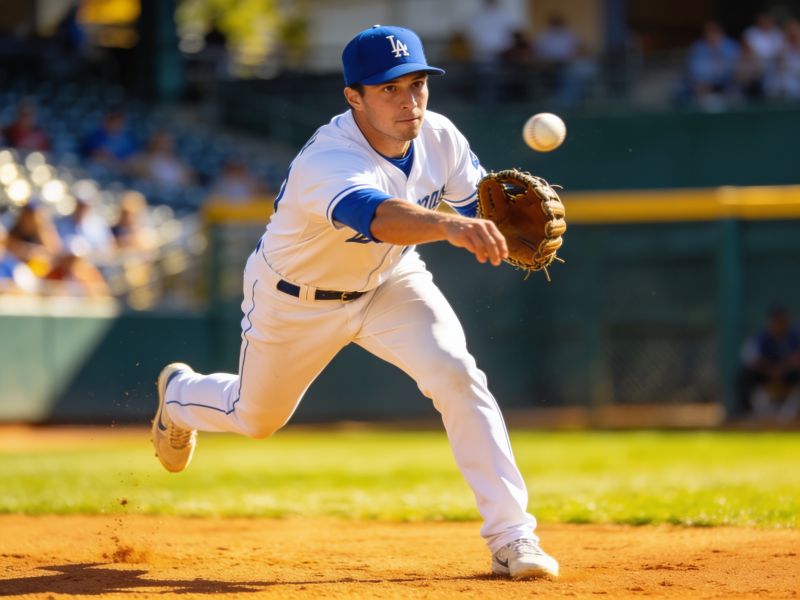
Dembele's surgery was successful, the club confirmed in a medical bulletin released a few hours after he came out of anaesthetic — a hamstring tendon repaired, no complications reported, a rehabilitation programme already being drawn up. That single sentence carries more weight than the four or five paragraphs of speculation that surrounded it. Tendon surgery on a player whose entire game is built on explosive acceleration is never routine。and the decision to go under the knife rather than persist with loading programmes and injections tells you something about how badly the structure had degraded. I have watched this injury saga drag on for weeks, with return dates floated publicly and then quietly pulled, and the pattern was obvious long before the announcement: conservative treatment had stopped working. Surgery was not a setback. It was the correction.Hamstring injuries come in flavours, and the tendon version is the bitter one. Muscle strains bleed and then knit;
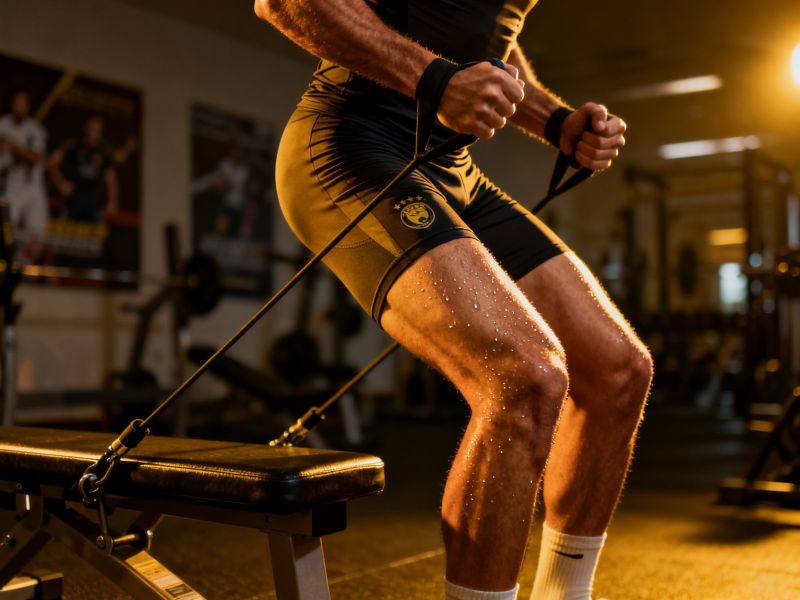
tendons fray, and a frayed tendon under repeated sprint loads does not simply rest its way back to strength. If the early reports are accurate。the damage sat close to the insertion point near the ischial tuberosity — the bony seat at the base of the pelvis where the hamstring anchors. That location is the reason surgeons were called in. It is also the reason the rehabilitation cannot be rushed: every sprint, every sharp deceleration, every awkward twist pulls directly on the repair. Physiotherapists who work with elite sprinters talk about this injury in terms of months rather than weeks, and they are usually right. The genuinely encouraging part of the statement is the word successful — it means the tendon was reattached cleanly, with no surprises on the table.The timeline is where supporters should temper their expectations. Standard recovery for a proximal hamstring tendon repair runs somewhere between ten and fourteen weeks before a player is even considered for full training, and the final stretch is no longer really about the tissue. It is about the nervous system. Players who have felt a tendon pop do not simply forget it;they run differently for a while, guarding the area, favouring the other leg。and that compensation is what causes the next injury. A sensible programme tracks sprint mechanics, force-plate asymmetry and top-speed data before clearing anyone for competitive minutes. Dembele's surgery was successful, yes, but that is one box ticked on a very long list. If he is back in a matchday squad inside three months, that will be a genuinely good outcome. If the club says four, believe them — the last thing anyone needs is another false dawn in February.What this does to the team is less dramatic than the headlines suggest。though it is not nothing. Losing a first-choice winger for a quarter of a season forces the coach to reshuffle, and the reshuffle usually costs a little width and a little unpredictability. The players who fill in know they are filling in. Meanwhile the sport science staff get a very expensive reminder about load management, particularly during congested fixture runs, when a tight hamstring is easy to ignore and a torn one is impossible to. There is also the international calendar to consider — a fit-again winger arriving at a tournament camp having played six matches in ten weeks is a risk that national federations habitually underestimate and clubs habitually complain about. Dembele's surgery was successful;
nobody, though, controls what happens next except the rehabilitation team and the player himself.Here is the part that rarely makes it into the medical bulletins. Dembele is at the age where durability starts to define a career more than talent does. The bursts are still there, the change of direction still ridiculous。
but the body's ability to absorb them is quietly declining, and each soft-tissue episode makes the next one likelier. Successful surgery is a repair, not a reset. It buys him another stretch of football, and what he does with the weeks between now and his return — the boring work, the pool sessions, the tedious single-leg bridges, the early nights — will decide whether that stretch lasts a season or three. I would judge this recovery less by the first game back than by the eight that follow it. That is the real examination, and it begins the moment the anaesthetic wears off.